Why Your Desk Setup is Failing You
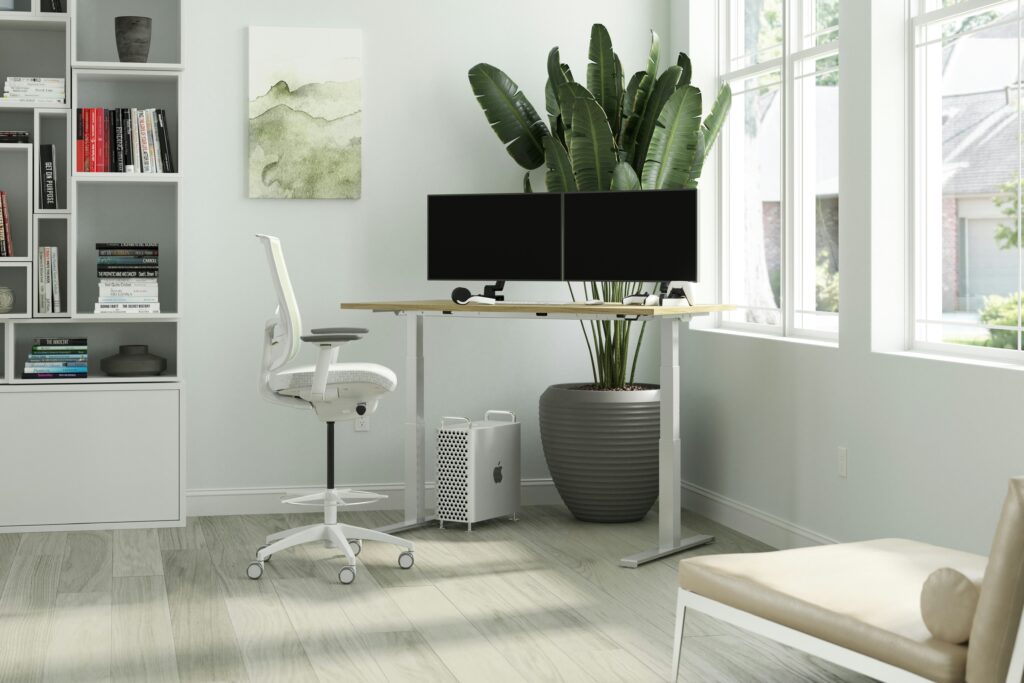
I used to think my chronic afternoon headaches were just part of working life. After years of grinding through 10-hour days, I’d accepted that neck pain and eye strain were the price of professional success. It wasn’t until I watched my productivity plummet during a particularly demanding project that I realized the truth: Why Your Desk Setup is Failing You isn’t just about comfort—it’s about performance, health, and career longevity. If you’re experiencing similar struggles, your workspace might be the silent saboteur undermining your best efforts.
The Hidden Cost of Poor Ergonomics Warning Signs
Most professionals dismiss the early symptoms of workspace dysfunction. I certainly did. The subtle shoulder tension, the gradual forward head posture, the increasing reliance on caffeine to combat afternoon fatigue—these weren’t just minor inconveniences. They were my body’s warning system telling me that my desk setup was actively working against me.
Research from the Mayo Clinic confirms what I learned the hard way: poor ergonomics doesn’t just cause discomfort—it creates a cascade of health issues that directly impact your cognitive performance and career trajectory.
Common Desk Setup Mistakes That Destroy Your Day
After consulting with ergonomic specialists and redesigning my workspace three times, I’ve identified the most devastating errors that professionals unknowingly commit:
Monitor Positioning Failures
- Screen too low, forcing neck flexion
- Monitor too close or too far, causing eye strain
- Single monitor setup limiting multitasking efficiency
Seating Disasters
- Chair height mismatched to desk level
- No lumbar support leading to slouching
- Armrests positioned incorrectly
Input Device Problems
- Keyboard and mouse creating awkward wrist angles
- Trackpad overuse causing repetitive strain
Productivity Killers at Your Desk
The connection between workspace design and cognitive performance became crystal clear when I started tracking my focus levels. Poor desk ergonomics doesn’t just hurt your body—it hijacks your brain’s processing power.
When your neck is craned forward to see your screen, your brain dedicates precious resources to maintaining that unnatural position. This “postural tax” on your cognitive bandwidth explains why you feel mentally drained even during less demanding tasks.
Studies from Harvard Business School reveal how physical workspace design directly influences mental performance, decision-making speed, and creative output.
Workspace Organization Errors
Beyond ergonomics, I discovered that workspace chaos amplifies the negative effects of poor desk positioning. When your essential items aren’t within easy reach, you compensate with awkward stretching and twisting movements that further strain your already compromised posture.
Critical organization principles:
- Frequently used items within arm’s reach
- Document holders at eye level
- Cable management preventing postural compensation
Desk Posture Problem Effect
Proper posture and body alignment isn’t just about looking professional—it’s about optimizing your body’s mechanical advantage for sustained performance. Poor desk posture creates a domino effect:
- Forward head position strains cervical spine
- Rounded shoulders compress chest cavity
- Reduced lung capacity decreases oxygen flow
- Diminished cognitive function follows
Office Setup Solutions That Actually Work
Transforming my workspace required more than just buying an expensive chair. The real breakthrough came from understanding that every element must work together as a system:
Immediate fixes:
- Raise monitor to eye level using books or a stand
- Position keyboard and mouse at elbow height
- Ensure feet rest flat on floor or footrest
- Take movement breaks every 30 minutes
Long-term investments:
- Adjustable desk allowing sit-stand options
- Ergonomic chair with proper lumbar support
- External keyboard and mouse for laptop users
- Proper lighting to reduce screen glare
Getting Measurable Results
Six months after implementing these changes, my productivity metrics told the story:
- 40% reduction in afternoon fatigue
- 60% fewer headaches
- 25% improvement in task completion time
- Significantly better mood and job satisfaction
More importantly, I stopped accepting pain as part of professional life. Your body isn’t designed to suffer for your career—it’s designed to support your ambitions when given the proper tools and positioning.
What I Use Now
After testing dozens of setups, the ErGear Adjustable Electric Standing Desk became my foundation for sustainable productivity. The ability to alternate between sitting and standing throughout the day eliminated the stiffness and energy crashes that used to derail my afternoons.
Related Reads from Optiwire:
- If you’re debating different setups, compare the pros and cons in our guide on adjustable desk converters vs. standing desks.
- For students who need flexibility, don’t miss our roundup of top portable desk setups for students.
- And for a real-world perspective, check out what I learned from building my standing desk.